
BY LETTER
Fancloth

Technology > Application > Transportation > Atmospheric Transport
Technology > Application > Materials Technology
Technology > Application > Power Generation
Technology > Application > Materials Technology
Technology > Application > Power Generation
Material which uses microscale engineering to allow flight. | |
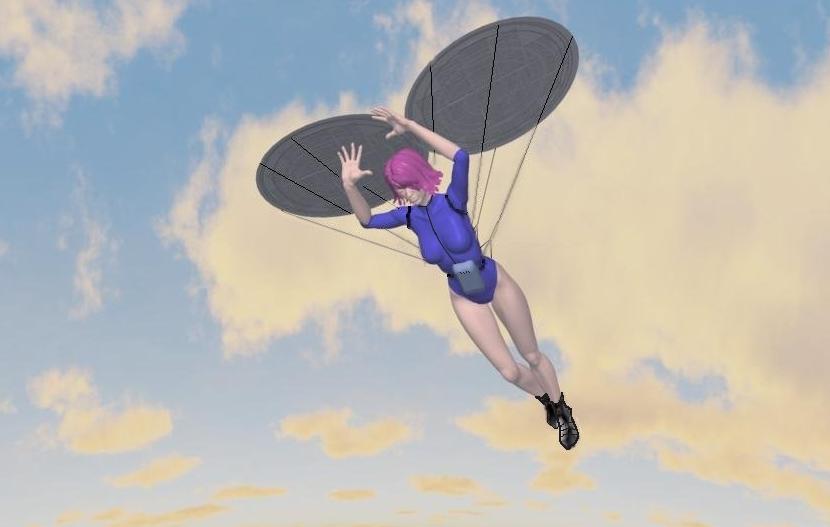 Image from Steve Bowers | |
| A Paracopter lifting a human aeronaut | |
Fancloth A lightweight, smart fabric mesh with powered microfans installed within approx. 1.5 mm mesh openings, used to provide lift in moderate gravity environments.
Fancloth can be used as sails or wings capable of carrying small vehicles or individuals; one common configuration is the Paracopter (see this page).
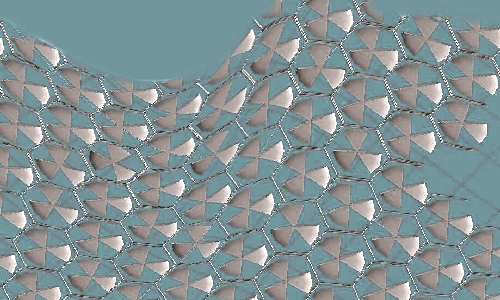 Image from Steve Bowers | |
| Fancloth uses microscale motors and miniature fans to provide lift | |
Fancloth can also be used in reverse to generate power as a form of wind turbine.
 Image from Mysfytt | |
| An Omnicraft in flight mode, using an array of fancloth wings | |
Related Articles
Appears in Topics
Development Notes
Text by Terrafamilia
Initially published on 09 November 2005.
Initially published on 09 November 2005.






